How Dehumidification Units Enhance Indoor Pool Environments
The Importance of Humidity Control in Indoor Pools
Understanding Indoor Humidity Levels
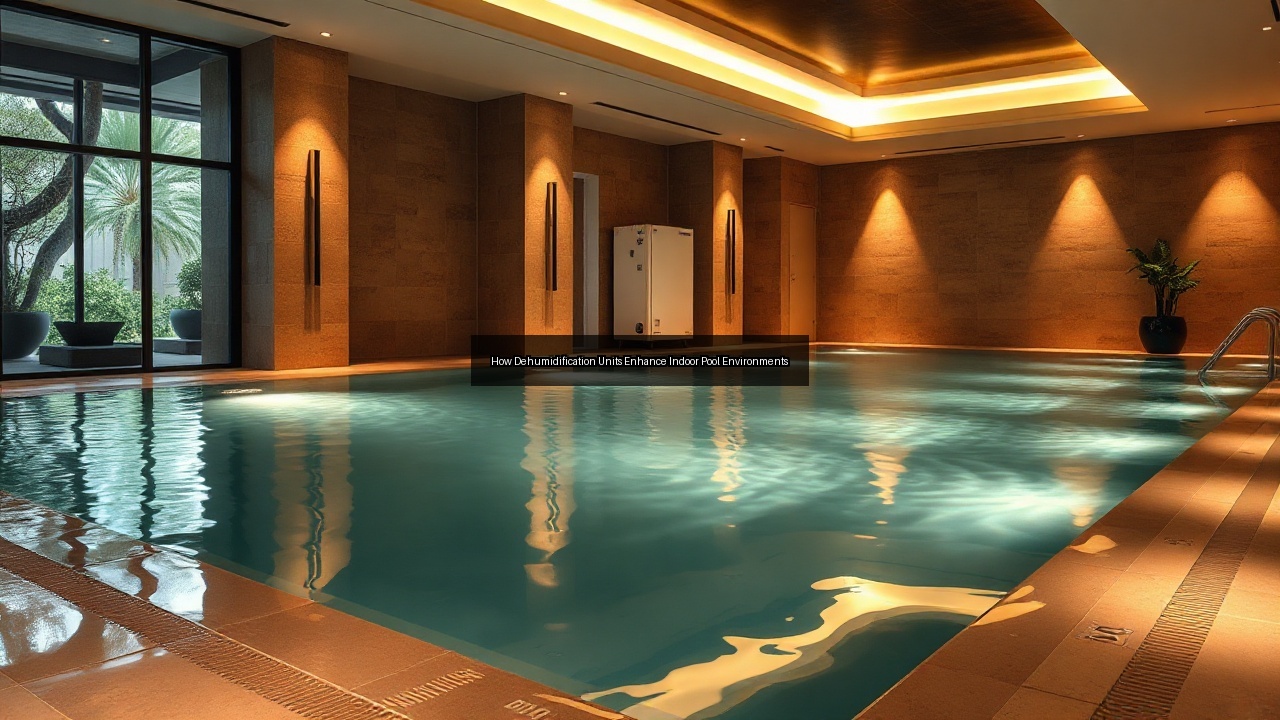
Indoor pools generate constant moisture through evaporation, and operators must track relative humidity to maintain safe conditions. A well-managed space keeps humidity between 50 and 60 percent so swimmers stay comfortable and building materials avoid damage. Hotel swimming pool dehumidifer systems play a direct role by pulling excess moisture from the air before it condulates on walls or windows. Guests notice the difference immediately because the air feels crisp rather than heavy. Facility managers monitor sensors throughout the day and adjust setpoints as occupancy changes. When levels stay in range, corrosion slows on metal fixtures and mold finds fewer surfaces to grow. Proper measurement also helps staff predict how much ventilation the space needs during peak hours. Consistent data logs support better decisions about equipment runtime and maintenance schedules. In short, understanding these levels forms the foundation for every later choice about climate control.
Effects of High Humidity on Indoor Pools
Excess moisture warps wood trim, stains ceilings, and accelerates rust on ladders and railings. Swimmers feel sticky and short of breath when humidity climbs above seventy percent. Hotel guests often complain about foggy mirrors and slippery tile, which hurts reviews and repeat bookings. Structural steel inside the natatorium can lose strength over time if condensation drips unchecked. High humidity also feeds bacteria and mold that trigger respiratory issues for sensitive visitors. Energy bills rise because the hvac system works harder to compensate for the damp load. Staff spend extra hours cleaning surfaces that never fully dry. Over months these problems compound into expensive repairs that could have been avoided with earlier intervention. Property owners who ignore the signs watch maintenance costs climb faster than occupancy rates. Addressing humidity early prevents these cascading failures and protects both the building and its reputation.
ASHRAE Guidelines for Humidity Management
ASHRAE Standard 62.1 sets clear targets for natatorium ventilation and humidity. The guideline recommends keeping relative humidity below sixty percent during occupied periods to protect air quality and occupant health. Designers calculate evaporation rates based on pool surface area, water temperature, and activity level before sizing equipment. Hotel swimming pool dehumidifer units must meet or exceed these calculations to earn certification points. The standard also requires continuous monitoring so operators can document compliance during inspections. Following ASHRAE reduces liability when complaints arise about air quality. Engineers reference the tables to balance outdoor air intake with dehumidified return air. Updates to the guideline reflect new research on energy recovery and refrigerant choices. Properties that align with these recommendations enjoy lower insurance premiums and smoother regulatory reviews.
How Dehumidification Units Work
Mechanisms of Air Dehumidifiers
Air dehumidifiers lower moisture content by cooling incoming air below its dew point. The cooled vapor condenses on evaporator coils and drains away, leaving drier air to be reheated and returned to the space. This cycle repeats continuously in an indoor pool environment where evaporation never stops. Sensors feed real-time data to the controller so the unit ramps up or down based on actual load. Hotel operators appreciate the automatic response because it prevents over-drying during low-occupancy periods. The process also captures latent heat that can be redirected to warm the pool water or supply air. Without this mechanism, humidity would quickly exceed comfort thresholds and damage finishes. Regular coil cleaning keeps efficiency high and prevents airflow restrictions. The technology has matured to the point that modern units deliver precise control with minimal noise.
Types of Dehumidification Units for Pools
Pool environments use three main configurations: standalone dehumidification units, dedicated outdoor air systems, and integrated rooftop packages. Standalone units sit inside the mechanical room and connect to ductwork that serves the natatorium. Rooftop models combine dehumidification with heating and cooling in a single cabinet, which simplifies installation for new hotel construction. Dedicated outdoor air systems focus on ventilation while a separate dehumidifier handles the pool load. Each type offers different advantages in first cost, maintenance access, and energy recovery potential. Facility teams choose based on available space, climate, and budget. Hybrid options that blend two approaches appear more often in larger hospitality properties. Proper selection ensures the system meets both ASHRAE targets and guest expectations for comfort.
Refrigerants Used in Dehumidification Systems
Manufacturers have shifted toward low-global-warming-potential refrigerants such as R-32 and R-454B. These fluids maintain high efficiency while complying with tightening environmental rules. Older units running R-22 or R-410A still operate but face phase-out schedules that affect long-term service costs. Hotel engineering teams evaluate refrigerant choice during equipment replacement to avoid future retrofit expenses. Proper leak detection and recovery practices protect both the atmosphere and the bottom line. New refrigerants also run at slightly different pressures, so technicians receive updated training. The right choice supports reliable dehumidification without sacrificing performance in demanding pool conditions. Properties that plan ahead avoid emergency replacements when legacy refrigerants become scarce.
Benefits of Using Hotel Swimming Pool Dehumidifiers
Enhanced Comfort for Guests
Guests expect a refreshing swim followed by dry, pleasant air when they exit the water. Hotel swimming pool dehumidifer equipment delivers exactly that by keeping humidity in the ideal range. Swimmers towel off faster and avoid the clammy feeling that lingers in poorly controlled spaces. Families with children spend more time at the pool because the environment feels inviting. Reviews frequently mention clean air and comfortable lounges, which drives higher occupancy. Staff notice fewer complaints about slippery floors and foggy glass. The improved atmosphere encourages longer stays in the aquatic area and increases ancillary revenue from food and beverage service. Comfort directly translates into stronger guest loyalty and positive word-of-mouth marketing.
Energy Efficiency and Cost Savings
Modern dehumidification units with energy recovery wheels or heat pipes cut operating costs by capturing waste heat. The recovered energy preheats supply air or pool water, reducing the load on boilers and chillers. Hotel operators report measurable drops in utility bills after upgrading older systems. Variable-speed compressors match output to actual demand instead of running at full capacity around the clock. Maintenance contracts that include filter changes and coil cleaning keep efficiency at design levels. Over five years the savings often exceed the initial investment. Properties that track energy use per square foot see clear before-and-after data that justifies the upgrade to ownership groups.
Improved Air Quality and Health Benefits
Lower humidity limits mold and bacteria growth that can trigger asthma or allergies. Continuous dehumidification removes airborne contaminants before they circulate through the hvac system. Hotel guests with respiratory sensitivities report fewer issues after swimming when the space stays properly controlled. Staff experience fewer sick days because the work environment supports respiratory health. Regular filter replacement and ultraviolet lights inside the dehumidifier further reduce pathogens. The result is a cleaner indoor pool that meets or exceeds indoor air quality standards. Properties market these health advantages to attract wellness-focused travelers and corporate groups.
Designing Effective Dehumidification Solutions for Natatoriums
Integrating HVAC Systems with Dehumidification Units
Successful designs treat the dehumidifier as the central component of the overall hvac system rather than an add-on. Supply and return ducts must balance airflow so every corner of the natatorium receives conditioned air. Controls tie the pool dehumidifier to the main building management system for coordinated response during shoulder seasons. Hotel engineers schedule commissioning tests that verify temperature, humidity, and ventilation simultaneously. Proper integration prevents short-cycling and extends equipment life. When the systems communicate, operators gain remote monitoring and predictive alerts that reduce downtime. The coordinated approach also simplifies compliance documentation for annual inspections.
Energy Recovery Solutions for Indoor Pools
Energy recovery wheels and plate exchangers capture both sensible and latent heat from exhaust air. This captured energy preconditions incoming outdoor air, lowering the load on the primary dehumidification unit. Hotel properties in cold climates recover enough heat to reduce boiler runtime significantly during winter months. In warm regions the same devices help manage cooling loads. Payback periods often fall under three years when utility incentives apply. Designers size recovery equipment based on peak occupancy and local weather data. Ongoing monitoring confirms that savings continue after installation. These solutions align with sustainability goals that many hospitality brands now promote to guests.
Customizing Dehumidification for Hotel Pools
Each hotel swimming pool presents unique evaporation rates based on water temperature, bather load, and architectural features. Custom dehumidification solutions account for glass walls, high ceilings, and adjacent spa areas. Engineers model multiple scenarios to select unit capacity and duct layout that avoid drafts over lounges. Hotel owners request quiet operation and easy service access in finished spaces. Color-matched cabinets and concealed ductwork preserve design aesthetics. Commissioning includes training for on-site staff so they understand setpoints and alarm responses. The tailored approach delivers reliable performance while supporting the property’s branding and operational needs.