Why Choose Thread Rolling Services for Your Fastener Needs
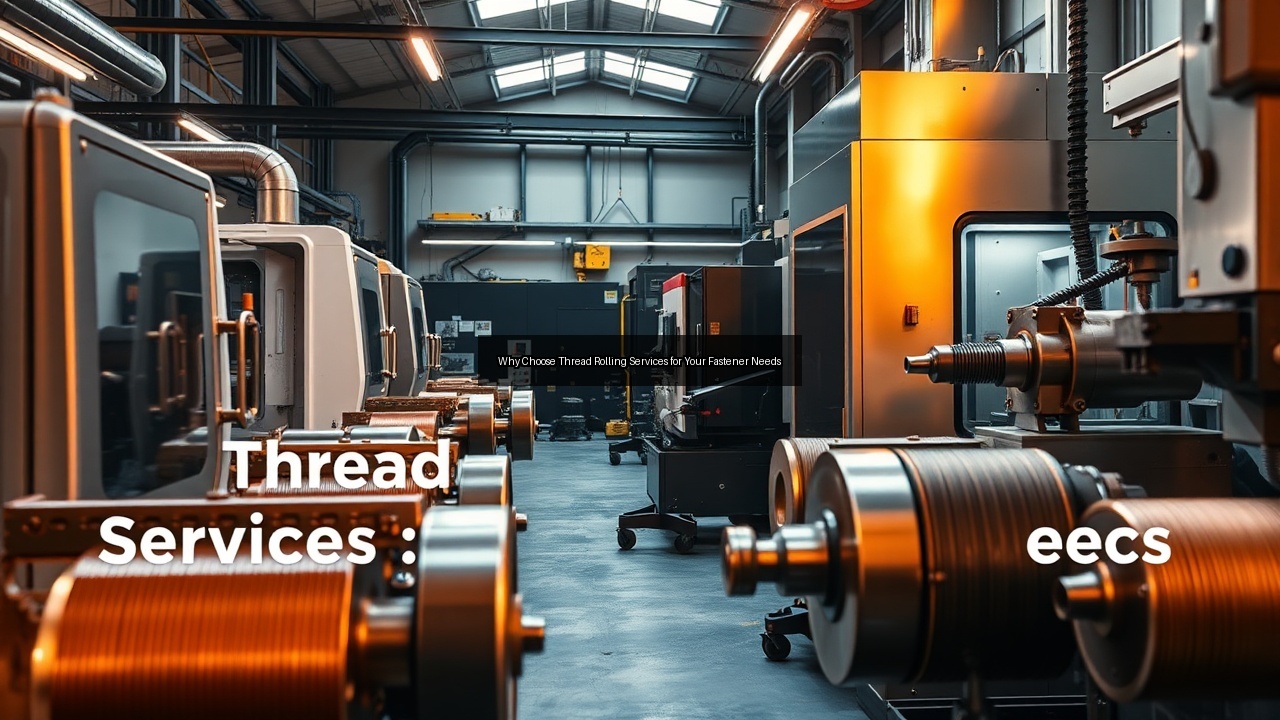
Understanding Thread Rolling Services
What is Thread Rolling?
Thread rolling stands out as a highly efficient method used to form threads on metal fasteners. This process involves the deformation of metal rather than removing material. By applying pressure through specially designed dies, manufacturers create threads on cylindrical workpieces. The technique produces threads that are not only intricate but also exhibit superior strength compared to those produced by traditional cutting methods. This characteristic arises from the way thread rolling alters the grain structure of the metal, enhancing its mechanical properties. As industries seek innovative solutions for fastener manufacturing, thread rolling services emerge as a preferred choice due to their ability to produce high-quality threaded components rapidly.
The Process of Thread Rolling
The thread rolling process begins with selecting a metal workpiece, typically a wire or a rod, which is then fed into a machine equipped with two or three dies. As the workpiece rotates, the dies exert compressive forces, gradually forming the desired threads. This continuous process allows for the efficient production of multiple threads without incurring significant waste. Unlike traditional machining methods that involve grinding or cutting, thread rolling utilizes the inherent characteristics of metals, leading to reduced energy consumption and quicker turnaround times. This method seamlessly integrates with other manufacturing technologies, such as CNC machining and EDM machining, ensuring precision and consistency throughout the production cycle.
Comparing Thread Rolling to Traditional Methods
When comparing thread rolling to traditional methods, several key differences become apparent. Traditional threading often relies on machining techniques, such as tapping or cutting, which can lead to material waste and longer production times. In contrast, thread rolling services minimize waste and maximize efficiency. Additionally, the threads produced through rolling are typically stronger due to the cold working effect, which aligns the metal's grain structure along the thread’s contours. This enhanced strength makes rolled threads ideal for applications requiring high durability, such as in the aerospace and oil and gas sectors. Ultimately, choosing thread rolling over conventional methods can significantly improve the overall quality and performance of fasteners.
Benefits of Thread Rolling for Fastener Manufacturing
Enhanced Strength and Durability
One of the standout benefits of thread rolling services is the enhanced strength and durability of the produced fasteners. The cold working process involved in thread rolling alters the physical properties of the metal, resulting in threads that can withstand higher loads and resist wear and tear. This durability is crucial, particularly in industries such as aerospace and military, where components must meet stringent performance standards. The tighter grain structure formed during rolling not only improves tensile strength but also reduces the likelihood of thread failure. Fasteners produced through thread rolling can endure harsh conditions, making them a reliable choice for demanding applications.
Cost-Effectiveness in Production
Thread rolling services offer significant cost-effectiveness in fastener manufacturing. The process minimizes material waste and reduces the need for extensive machining operations, which can be time-consuming and labor-intensive. By streamlining production, manufacturers can achieve higher output rates while maintaining quality. Furthermore, the reduced cycle times associated with thread rolling translate into lower labor costs and increased efficiency. Companies can benefit from economies of scale, producing large quantities of fasteners without compromising on quality. This cost-effectiveness positions thread rolling as an attractive option for businesses looking to optimize their manufacturing processes while remaining competitive in the market.
Versatility Across Industries
The versatility of thread rolling services extends across various industries, making it a valuable manufacturing technique. From aerospace to automotive and electronics, the ability to produce high-strength fasteners tailored to specific applications is a significant advantage. For instance, in the aerospace sector, stringent regulations necessitate fasteners that can endure extreme conditions without failure. Similarly, the military sector demands components that meet rigorous specifications while providing reliability in critical operations. Thread rolling accommodates these diverse requirements by offering custom solutions that meet varying standards and industry demands, showcasing its adaptability in a competitive landscape.
Applications of Thread Rolling in Various Sectors
Aerospace Industry Requirements
The aerospace industry relies heavily on thread rolling services to manufacture fasteners that meet stringent safety and performance standards. Components used in aircraft must withstand extreme stresses, high temperatures, and vibrations. Thread rolling produces fasteners with superior strength-to-weight ratios, crucial for maintaining the efficiency and safety of aircraft. Additionally, the smooth finish achieved through rolling reduces the risk of corrosion, extending the lifespan of components in demanding environments. Aerospace manufacturers benefit from the precision and reliability of rolled threads, ensuring that every fastener meets the rigorous specifications set by regulatory bodies.
Military Specifications and Standards
In the realm of military applications, thread rolling services play a vital role in producing fasteners that adhere to strict military specifications. The defense sector demands components that can withstand harsh conditions, including extreme temperatures and exposure to corrosive environments. The durability and strength of rolled threads make them an ideal choice for military equipment, from vehicles to weapon systems. Manufacturers specializing in military fasteners must ensure compliance with industry standards, and thread rolling provides a reliable method to achieve these requirements while maintaining high production efficiency. The ability to customize fasteners to meet specific military needs further enhances the appeal of thread rolling services.
Oil and Gas Industry Demands
The oil and gas industry presents unique challenges that require robust fasteners capable of withstanding high pressures and corrosive substances. Thread rolling services meet these demands by producing high-quality threaded components designed for extreme environments. Fasteners used in drilling operations and pipeline construction must exhibit exceptional tensile strength and resistance to fatigue. The process of thread rolling enhances the mechanical properties of metals, making them suitable for these demanding applications. Furthermore, the ability to produce large volumes of fasteners quickly allows manufacturers to keep pace with the industry's needs, ensuring that projects remain on schedule and within budget.
Choosing the Right Thread Rolling Service Provider
Evaluating Manufacturing Technologies
When selecting a thread rolling service provider, evaluating their manufacturing technologies is crucial. A reputable manufacturer should utilize advanced equipment and techniques that ensure precision and consistency in production. Look for providers who employ state-of-the-art CNC machines and EDM machining processes, as these technologies enhance the quality and efficiency of thread rolling. Additionally, inquire about their capabilities in producing custom solutions tailored to specific project requirements. A provider with a robust technological foundation will likely deliver superior results, meeting the demands of various industries effectively.
Importance of Quality Control
Quality control serves as a cornerstone in the manufacturing process of thread rolling services. The right provider will implement stringent quality assurance measures to ensure that every fastener meets the required specifications. This includes regular inspections and testing of materials, as well as adherence to industry standards. A commitment to quality not only enhances the reliability of the fasteners produced but also builds trust with clients who depend on these components for critical applications. When evaluating potential service providers, consider their track record in quality management and their willingness to address any concerns regarding product integrity.
Inventory Management and Custom Solutions
Effective inventory management plays a significant role in the success of thread rolling service providers. A well-organized inventory system ensures that the right materials are available when needed, minimizing delays in production. Additionally, many clients require custom fasteners tailored to specific applications. Choose a provider that offers flexibility in manufacturing and can accommodate unique specifications. Custom solutions not only enhance the functionality of fasteners but also demonstrate the provider's commitment to meeting client needs. This adaptability, combined with efficient inventory management, can significantly improve your overall manufacturing experience.
See Also
- How Thread Rolling Services Revolutionize Metal Fabrication in Wisconsin
- The Synergy of EDM and Thread Rolling in Modern Manufacturing
- Why Thread Rolling is Essential for High-Performance Fasteners
- Unlocking Precision in Manufacturing with Advanced Thread Rolling Services
- Exploring the Benefits of Thread Rolling for High-Volume Production