Maximizing Bearing Life with the Right Lubricating Grease
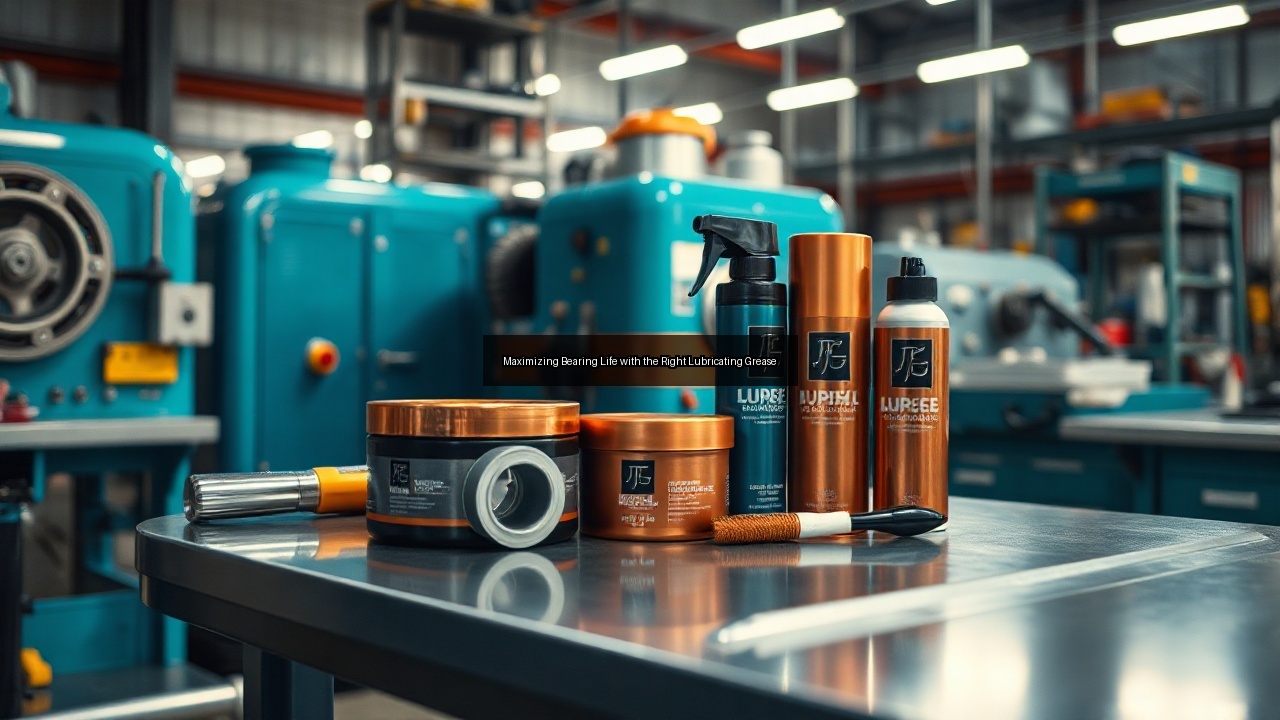
Understanding Lubricant Grease
What is Lubricant Grease?
Lubricant grease is a semi-solid substance designed to reduce friction between moving parts in machinery. Unlike liquid lubricating oil, grease acts as a thicker barrier, providing better adherence to surfaces and longer-lasting protection. Grease consists of a base oil, thickening agents, and additives that enhance its performance. The combination of these components allows grease to withstand high pressure and temperature, making it ideal for various applications, including wheel bearings, industrial machinery, and agriculture equipment. The right lubricant grease can significantly reduce wear, extend service intervals, and improve overall efficiency.
Types of Lubricating Greases
Choosing the right lubricating grease involves understanding the different types available. Lithium grease is one of the most common choices due to its excellent water resistance and high-temperature stability. It works well in a variety of applications, including automotive and industrial settings. Silicone grease, on the other hand, excels in high-moisture environments, protecting components from rust and corrosion. This silicone lubricant also offers excellent thermal stability, making it suitable for both low and high-temperature applications. Other types include specialty greases formulated with additives for specific needs, such as marine environments or food-grade applications. Each type serves a distinct purpose, ensuring that machinery operates smoothly under various conditions.
The Role of Lubricant in Reducing Friction
Friction between moving parts generates heat and wear, leading to premature failure of bearings and other components. Lubricant grease plays a crucial role in minimizing this friction. By forming a protective film over surfaces, grease reduces direct contact between metal parts, thereby lowering wear rates. This protective layer also helps to dissipate heat, preventing thermal degradation of components. Additionally, advanced formulations of lubricant grease can include additives that further reduce friction and enhance performance. Effective lubrication not only prolongs the life of bearings but also boosts the overall efficiency of machinery, leading to lower operational costs and reduced downtime.
Selecting the Right Grease for Your Bearings
Grease Formulations for Extreme Conditions
In industrial applications, bearings often face extreme conditions, such as high loads, temperatures, and moisture. Selecting the right grease formulation is essential for reliable operation. High-performance greases are available that provide enhanced protection under severe pressures. These formulations often include advanced thickeners and additives designed to maintain consistency and performance even in harsh environments. For instance, greases formulated with ceramic or copper additives can offer superior wear protection, while those designed for marine applications can withstand high moisture levels without breaking down. Understanding the specific conditions your bearings will encounter allows for more targeted grease selection, ensuring longer component life.
Choosing between Lithium and Silicone Greases
The choice between lithium and silicone greases can significantly influence the performance of machinery. Lithium grease offers excellent versatility and is widely used in various applications due to its compatibility with many materials and its resistance to water and heat. It’s a go-to for automotive and heavy machinery. In contrast, silicone grease is ideal for applications requiring high-temperature resistance and moisture protection, making it perfect for plastic gears and rubber seals. When selecting grease, consider factors such as temperature ranges, exposure to water, and the materials involved. This careful consideration ensures that you choose the right lubricant grease for your specific bearing needs.
Considerations for Different Machinery and Applications
Different machines and applications require specific lubrication strategies. For instance, agricultural equipment often operates in dusty and wet environments, necessitating greases that can withstand contamination and moisture. In contrast, high-speed machinery may need low-viscosity greases that can flow easily to reduce friction without generating excess heat. Furthermore, certain applications, like food processing, require food-grade lubricants that comply with safety regulations. Always assess the operating conditions, including temperature, pressure, and exposure to elements, when selecting a grease lubricant. By matching the right lubricant grease to the machinery, you enhance efficiency and reduce maintenance costs.
Maximizing Bearing Life with Proper Lubrication Techniques
Application Methods: From Aerosol to Grease Gun
Proper application of lubricant grease is crucial for maximizing bearing life. Various application methods are available, including aerosols, grease guns, and brushes. Aerosol sprays provide a quick and easy way to apply a thin layer of grease, ideal for hard-to-reach areas. Grease guns allow for controlled dispensing, ensuring that the correct amount of grease reaches the bearings without over-lubricating, which can lead to excess heat and wear. Brushes can be used for manual application in cases where precision is necessary. Understanding the right application method for your specific equipment can prevent common lubrication issues and enhance the performance of your bearings.
Monitoring Lubrication Levels and Maintenance
Regular monitoring of lubrication levels is vital for maintaining optimal bearing performance. Insufficient grease can lead to increased friction, resulting in wear and failure, while over-lubrication can cause overheating and seal damage. Implementing a routine maintenance schedule allows operators to check grease levels and replenish as needed. Utilizing tools such as grease meters can help gauge application effectiveness and ensure that the correct amount is applied. Additionally, keeping track of service intervals based on grease that performs in high-moisture operations machine usage and environmental factors can facilitate timely maintenance, ultimately extending the life of bearings and reducing costly downtime.
Understanding Temperature and Wear Factors
Temperature fluctuations significantly influence the performance of lubricant grease. High temperatures can lead to grease breakdown, while low temperatures can cause thickening, reducing its effectiveness. Therefore, understanding the operating temperature range of machinery helps in selecting the right grease formulation. Wear factors, including load, speed, and environmental conditions, also play a critical role in grease performance. High loads can break down lubricants faster, while corrosive environments may require specialized greases with anti-corrosion additives. By considering both temperature and wear factors, operators can choose the most appropriate lubricant grease to enhance bearing longevity and machinery efficiency.
Innovations in Lubricating Grease for Industrial Applications
High-Performance Options for Demanding Conditions
Innovations in lubricating grease technology have led to the development of high-performance options tailored for demanding industrial conditions. These advanced greases often feature enhanced formulations designed to withstand extreme pressures, temperatures, and environmental factors. Some greases now incorporate nanotechnology to improve lubrication properties, allowing for smoother operation and reduced wear. Additionally, new synthetic lubricants provide stability across a broader temperature range, ensuring consistent performance in varying environments. These high-performance grease products cater to applications such as heavy machinery, automotive, and aerospace, delivering reliable protection for bearings and other critical components.
Advancements in Grease Thickeners
Recent advancements in grease thickeners have significantly improved the performance and reliability of lubricating greases. Modern thickeners, such as those based on lithium complex or polyurea, offer enhanced water resistance and higher temperature stability compared to traditional thickeners. These innovations enable greases to maintain their consistency and effectiveness under extreme conditions, reducing the frequency of lubrication and improving uptime. Furthermore, new formulations are being developed that combine multiple thickener types to optimize performance for specific applications, ensuring that operators have access to the most effective lubricant grease solutions for their needs. grease that performs in high-moisture operations
Future Trends in Grease Technology
The future of lubricating grease technology promises even more innovations aimed at improving efficiency and performance. Smart greases equipped with sensors may soon monitor lubrication levels and condition in real-time, providing valuable data for predictive maintenance. Additionally, the trend toward environmentally friendly lubricants is gaining traction, with a focus on biodegradable and non-toxic formulations that still deliver excellent performance. As industries continue to evolve, advancements in grease technology will play a crucial role in ensuring machinery operates smoothly and efficiently, paving the way for longer-lasting bearings and reduced maintenance costs.